MemoShield Home

Category

Data Protection

22 articles

Behind the Banner: What Your Consent Tool Remembers After the Click

Behind the Banner: What Your Consent Tool Remembers After the Click

A consent management platform is not just a banner. It records choices, timestamps, browser signals, IP-derived data and vendor synchronisation events. This practical UK guide explains how to audit those records for PECR and UK GDPR purposes, what proof of consent actually looks like, and which hidden logs deserve a second look.

What the Search Field Remembers: A Practical Audit of Workplace Query Logs

What the Search Field Remembers: A Practical Audit of Workplace Query Logs

Workplace search feels transient, but the systems behind it often keep a durable record of who looked for what, and when. This audit framework helps UK organisations locate query histories, decide where personal data is present, control access and set a retention period that can be defended under UK GDPR.

When a Meeting Leaves a Trace: A Shared-Calendar Audit for UK SMEs

When a Meeting Leaves a Trace: A Shared-Calendar Audit for UK SMEs

Shared calendars are often treated as scheduling tools, but they also retain meeting titles, attendee lists, locations, notes and attachments long after the event. This article outlines a proportionate audit for UK SMEs that want to reduce unnecessary personal data in calendars without disrupting everyday coordination.

Sign-In, Sign Away: Auditing What Your Guest Wi-Fi Portal Really Keeps

Sign-In, Sign Away: Auditing What Your Guest Wi-Fi Portal Really Keeps

Guest Wi-Fi splash pages quietly collect names, email addresses and device identifiers, often with no retention plan behind them. This audit walks smaller UK organisations through mapping what the portal captures, separating access logs from marketing consent, checking processor terms, and setting deletion rules that match the privacy notice.

The Persistent Canvas: Auditing Digital Whiteboards as UK Record Stores

The Persistent Canvas: Auditing Digital Whiteboards as UK Record Stores

Digital whiteboards are built to remember every sticky note, comment and guest link, often long after the workshop has ended. This audit framework helps UK organisations find personal data on canvases, classify board content, set defensible retention rules and close stale external access.

Doors That Keep Records: Auditing Key-Card Logs in UK Offices

Doors That Keep Records: Auditing Key-Card Logs in UK Offices

Key-card systems generate a detailed record of movement through a building, yet many UK employers treat those logs as facilities data rather than personal data. This audit guide sets out how to confirm purposes, retention, access rights and subject access handling without turning a routine review into an engineering project.

After the Shortlist: A Candidate-Data Retention Audit for UK Employers

After the Shortlist: A Candidate-Data Retention Audit for UK Employers

Recruitment records rarely leave when the vacancy closes. This audit helps UK SMEs trace candidate data across inboxes, shared drives and applicant systems, separate unsuccessful applicants from actual hires, and set retention windows that can be defended under UK data protection law.

Inherited Access, Inherited Risk: A Quarterly Permissions Review for UK SMEs

Inherited Access, Inherited Risk: A Quarterly Permissions Review for UK SMEs

Shared cloud drives make collaboration easy, but permissions tend to accumulate quietly through inherited folders, stale guest accounts and link-sharing defaults. This quarterly review process helps UK SMEs bring cloud drive access back under control and evidence UK GDPR accountability without turning the exercise into an IT-only project.

After the Beep: Bringing UK Business Voicemail Into the Retention Regime

After the Beep: Bringing UK Business Voicemail Into the Retention Regime

Voicemail is often treated as a fleeting courtesy, yet messages left on handsets, hosted phone systems and mobile networks can contain personal data, commercial commitments and sensitive details that persist for years. This practical 2026 audit sets out how UK SMEs can locate, govern and delete business voicemail in proportion to the risk it presents.

The Remembered Form: Auditing Autofill on Shared UK Workstations

The Remembered Form: Auditing Autofill on Shared UK Workstations

Shared reception terminals, hot-desking laptops and meeting-room computers quietly retain addresses, card details, client names and login prompts in their browser profiles. This practical UK audit explains where autofill data hides, how to clear it without disrupting routine work, and what to record as a repeatable data protection check.

Snap, Sync, Forget: Governing the Meeting Photographs That Outlive the Room

Snap, Sync, Forget: Governing the Meeting Photographs That Outlive the Room

A whiteboard is wiped within the hour, but the photograph of it can survive for years in a personal camera roll, a consumer cloud account or a chat thread. This article sets out a workable routine for capturing, storing and retiring meeting images in UK organisations, together with a short audit of where they tend to gather.

What the Clipboard Remembers: A 2026 Retention Audit for UK Hybrid Teams

What the Clipboard Remembers: A 2026 Retention Audit for UK Hybrid Teams

Copy and paste is usually treated as a momentary action, yet clipboard history, universal clipboard features and browser form memory can retain client details and credentials far beyond the task at hand. This audit sets out a practical 2026 approach for UK organisations to identify, limit and govern clipboard retention across desktop, mobile and browser environments.

From Hoarding to Housekeeping: A Retention Regime UK SMEs Can Actually Run

From Hoarding to Housekeeping: A Retention Regime UK SMEs Can Actually Run

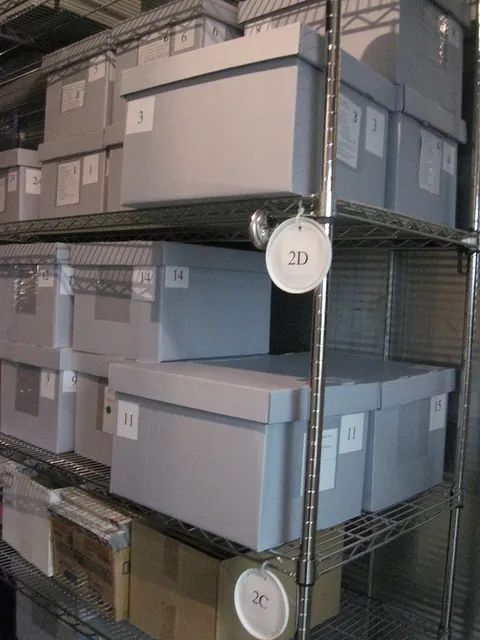
Most UK SMEs do not lack a retention policy so much as a method for making one stick. This article sets out a workable approach to storage limitation, from record categories and legal minimum periods to owner assignments, deletion evidence and the practical traps that quietly undermine disposal.

The Accidental Broadcast: A Screen-Sharing Discipline for UK Hybrid Teams

The Accidental Broadcast: A Screen-Sharing Discipline for UK Hybrid Teams

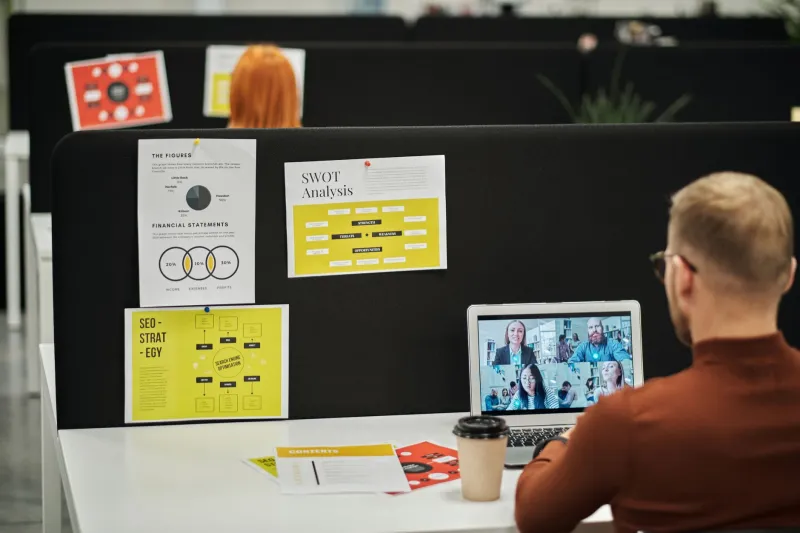
Screen sharing has become an ordinary act of disclosure, and a single click can expose personal data, confidential files or clipboard contents to an audience. This article sets out a practical pre-share routine, role-based habits and a short incident note for UK SMEs that want to treat screen-sharing hygiene as part of accountability under UK data protection law.

Before the Bot Takes Minutes: A UK Governance Checklist for AI Meeting Assistants

Before the Bot Takes Minutes: A UK Governance Checklist for AI Meeting Assistants

AI notetakers can turn a routine call into a searchable record of decisions, speculation and personal data. For UK SMEs, the governance question is not whether the tool can transcribe, but which meetings should be remembered, by whom and for how long. This checklist sets out the practical controls to agree before deployment.

The Shadow Archive in Your Sidebar: Governing Chat Records in UK Organisations

The Shadow Archive in Your Sidebar: Governing Chat Records in UK Organisations

Messaging platforms have quietly become the most complete record of how many UK organisations make decisions, yet almost none govern them as records. This deep dive sets out how to map chat-based data stores, apply defensible retention, and answer subject access requests without guesswork — including the WhatsApp threads nobody has thought about since 2023.

The Paper Trail's Digital Shadow: Auditing Residual Data on UK Office Printers and Scanners

The Paper Trail's Digital Shadow: Auditing Residual Data on UK Office Printers and Scanners

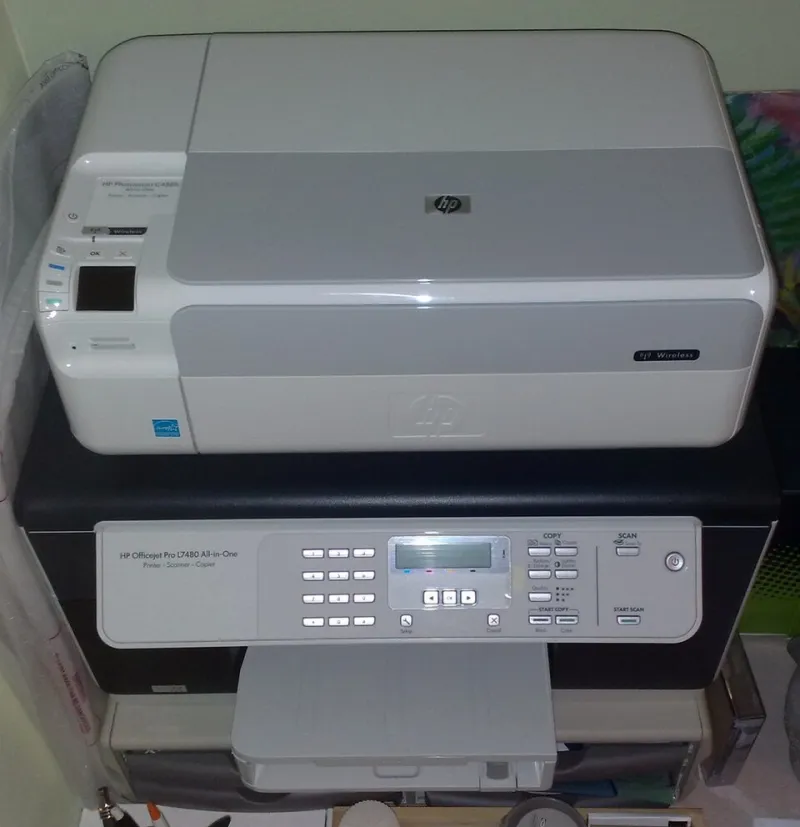
Printers and multifunction devices are often left out of UK data maps, yet many retain copies of contracts, payroll forms and client information in onboard memory and job logs. This practical audit guide explains where residual data lives, what UK GDPR accountability means for disposal and office moves, and how to build a proportionate wipe routine.

The Long Tail of AI Recall: A 2026 Audit Framework for UK Data Controllers

The Long Tail of AI Recall: A 2026 Audit Framework for UK Data Controllers

AI assistants that retain user context can improve service delivery, but they also extend the life of personal data beyond many organisations' expectations. This analytical guide sets out a five-step audit framework for UK data controllers, aligned with UK GDPR and ICO expectations for 2026.